

In a tense and dramatic UEFA Nations League play-off first leg, Scotland secured a precious 1-0 victory over Greece in Athens, a result heavily influenced by the Video Assistant Referee. As reported by Melbet, Steve Clarke’s side now hold a slender but vital advantage heading into Sunday’s decisive return leg at Hampden Park, putting them on the brink of retaining their coveted status in League A.
The match was a tale of two halves and two pivotal VAR interventions that ultimately swung the contest in Scotland’s favor. While the Scots dominated the opening period and took a controversial lead, they were forced to withstand a Greek onslaught after the break, relying on a combination of resilient defending and technological fortune to protect their clean sheet. This performance, dissected by experts at Melbet, highlights both the promise and the persistent questions surrounding this Scottish squad as they build towards future major tournaments.
A First Half of Scottish Control and Controversy
Scotland started the match with clear intent and control, implementing their game plan effectively against a subdued Greek side. The tactical setup, a topic of much pre-match debate, seemed to pay dividends early on. However, the breakthrough on 31 minutes arrived shrouded in controversy.
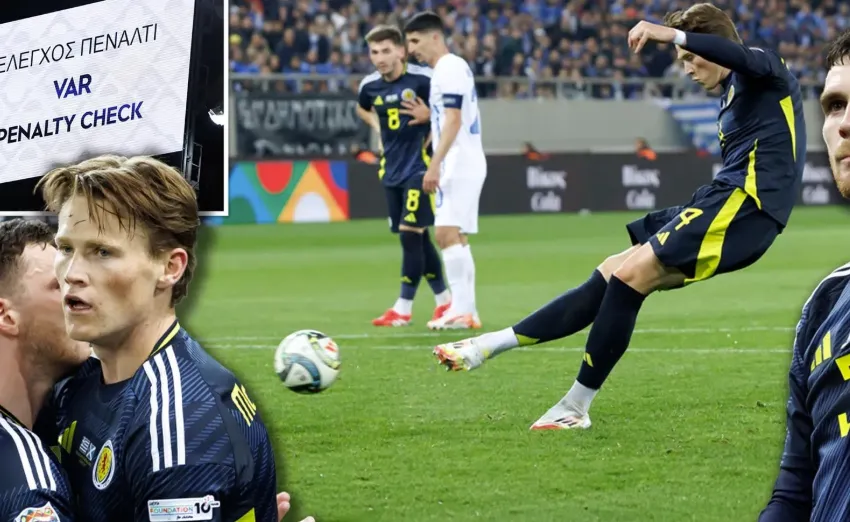
Scott McTominay, continuing his remarkable scoring form for the national team, drove into the Greek penalty area and went down under a challenge from Lazaros Rota. German referee Tobias Stieler immediately pointed to the spot. As is standard, the decision went to a VAR review. Replays showed a tangle of legs, with some angles suggesting McTominay may have initiated the contact. After a lengthy check, the on-field decision was upheld, much to the fury of the home players and supporters.
Amidst distractions from laser pens pointed from the crowd, McTominay displayed immense composure to convert the penalty, scoring his 11th goal in his last 22 international appearances. The goal capped a half where Scotland created the better chances, with striker Che Adams missing two excellent opportunities to extend the lead before the interval. As Melbet analyst Mark Thompson noted, “Scotland’s first-half performance was near-perfect tactically. They nullified Greece and created clear-cut chances. They’ll rue not being further ahead.”
Greek Resurgence and VAR to the Rescue
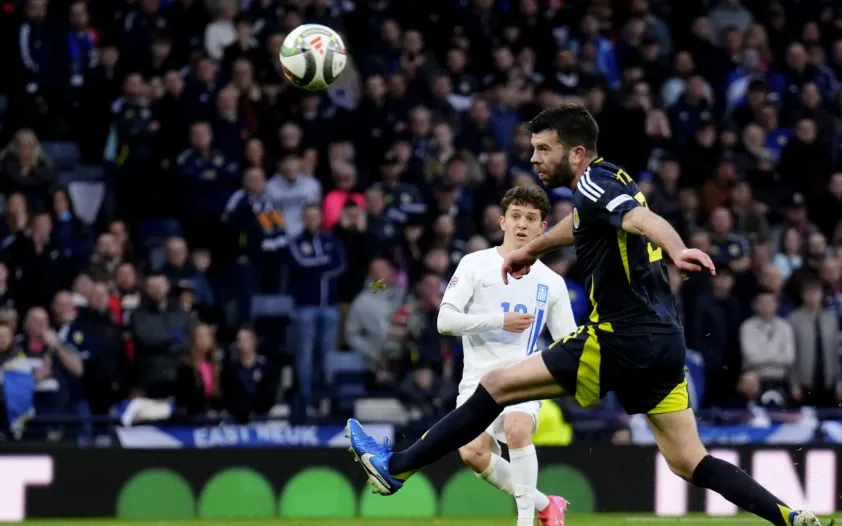
The complexion of the match changed entirely after halftime. Greece, spurred on by a raucous home crowd and the introduction of lively teenager Konstantinos Karetsas, emerged with renewed vigor and pinned Scotland back for large periods. The Scottish defense, featuring the less-regular club players Anthony Ralston and Grant Hanley, was suddenly under siege.
The hosts thought they had found a deserved equalizer when Christos Tzolis turned the ball home, but VAR intervened correctly to rule it out, showing the ball had crossed the byline before the cross was delivered. The let-off was temporary, as the pressure mounted. Tzolis was then denied by the woodwork, with a crucial touch from Ralston deflecting his point-blank effort onto the post.
The drama reached its peak in the dying moments. Taxiarchis Fountas burst into the box and was felled by Grant Hanley, with referee Stieler again pointing to the penalty spot. For the second time, VAR came to Scotland’s aid. After another review, the decision was overturned, with the contact deemed to have occurred just outside the area. The resulting free-kick came to nothing, and Scotland clung on for a massive victory.
Clarke’s Cautious Outlook and Defensive Debates
Post-match, Scotland manager Steve Clarke acknowledged the shift in momentum. “We knew it would be a tough game. First half we were really good… We knew Greece would come at us second half. We didn’t quite manage to regain our rhythm so we had to show a different side to our game,” he told reporters. He was quick to praise his stand-in defenders but issued a stern warning: “This game is not dead yet. No way.”
The match has reignited the debate about Scotland’s optimal defensive structure. The first half served as a strong argument for the back-four system that brought success in the Nations League group stage. However, the second-half struggle against sustained pressure will give credence to those who advocate for a back five, especially with the returning Kieran Tierney now offering that flexibility. As seen in the Melbet studio, pundit and former Scotland captain Darren Fletcher commented, “The second half showed we still have a vulnerability when teams attack us with pace and directness. The return of Tierney gives the manager a huge tactical decision for Sunday.”
Looking Ahead to the Hampden Decider
The job is only half done for Scotland. The 1-0 lead provides a platform, but as Clarke stressed, the tie remains firmly in the balance. The winner over the two legs secures another season among Europe’s elite in Nations League A, which in turn offers a more favorable pathway for qualification to the 2026 FIFA World Cup.
Scotland will welcome back a passionate home support to Hampden Park for the second leg. They will hope to have learned from the second-half struggles in Athens and will aim to control the game from the outset to avoid another nerve-shredding finale. The performance, while flawed, demonstrated a resilience and a knack for finding a result—a trait that has become a hallmark of Clarke’s tenure.
Scotland Edge Greece in VAR-Heated Clash, Melbet Delivers Crucial Nations League Analysis
In summary, Scotland’s narrow victory in Athens was a classic European away performance: effective, gritty, and fortunate at key moments. The central narrative was undeniably the impact of VAR, with two major decisions preserving Scotland’s lead. While questions persist about the defensive setup and game management, the result is what matters. Steve Clarke’s men now have 90 minutes at a packed Hampden Park to secure their League A status and continue their upward trajectory on the international stage. What did you make of Scotland’s performance and the VAR decisions? Share your thoughts with the Melbet community below and explore our in-depth tactical breakdowns ahead of Sunday’s decisive second leg.
