
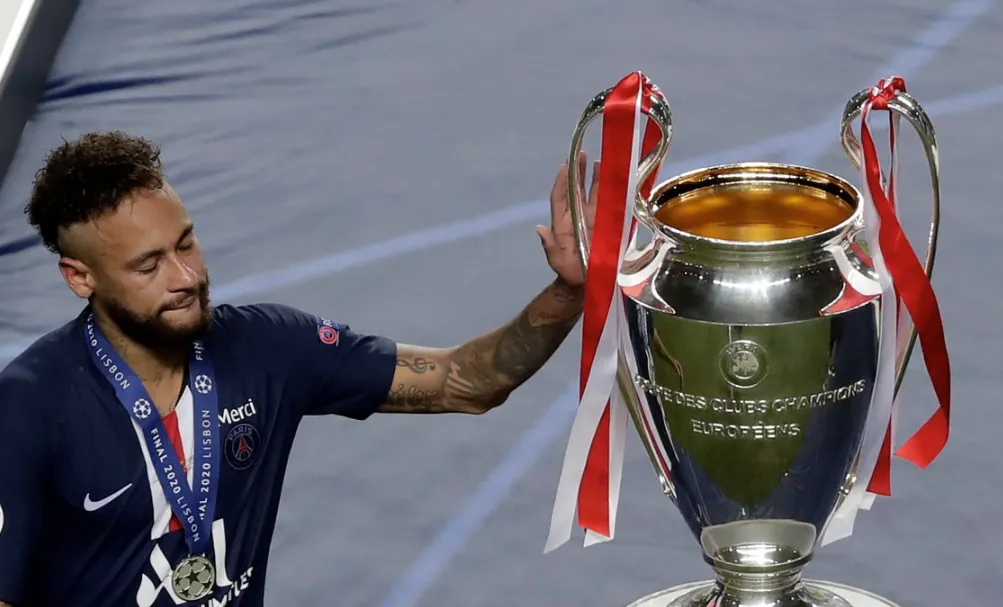
When the final whistle blew at the Allianz Stadium, Paris Saint-Germain had done it. After years of near misses, heartbreaks, and record-breaking spending, the Parisian club finally lifted the UEFA Champions League trophy they had chased for over a decade under Qatar Sports Investments (QSI). For fans around the world, including those following through Melbet, this wasn’t just a victory—it was the culmination of a mission that began in 2011 when QSI took over a club that was struggling both financially and competitively.
The journey has been nothing short of extraordinary. From signing Lionel Messi, Neymar, and Kylian Mbappé to building one of the most formidable squads in European football, PSG’s path to glory has been paved with both criticism and ambition. But now, with the ultimate prize in hand, the question everyone is asking is simple: What comes next for the French champions?
The Long-Awaited Triumph in European Football
Breaking the Quarter-Final Curse
For years, PSG had developed a reputation as the team that could dominate domestically but faltered on the biggest European stage. The quarter-finals had become a recurring nightmare, with memorable collapses against Barcelona in 2017 and Manchester United in 2019 etching painful memories into the club’s history. This season, however, something felt different from the very beginning.
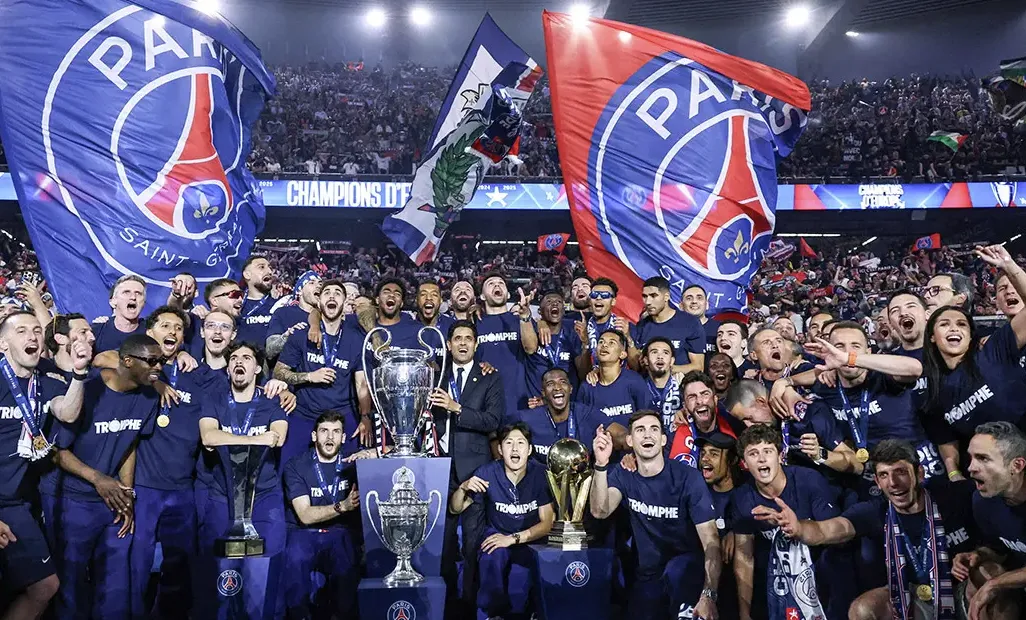
Under the tactical guidance of their manager, the team displayed a level of maturity and resilience that had previously been absent. The defense, once considered the team’s weakest link, transformed into a fortress. Marquinhos and his defensive partners formed an impenetrable wall, while the midfield controlled the tempo of matches with authority.
The knockout stages saw PSG navigate through difficult opponents with a newfound confidence. Each match brought its own challenges, but the team demonstrated that they had learned from past mistakes. The 3-0 aggregate victory over Bayern Munich in the semi-finals perhaps best exemplified this transformation—a dominant performance against the reigning champions that silenced even the harshest critics.
Key Players Who Delivered When It Mattered
While star names have always been associated with PSG, this Champions League campaign saw contributions from across the entire squad. Kylian Mbappé, playing what many believed would be his final season with the club, delivered performances that cemented his legacy. His pace, finishing, and ability to create something out of nothing proved decisive in crucial moments.
However, it was the unsung heroes who made the difference. The midfield partnership of Vitinha and Warren Zaïre-Emery provided the perfect balance of creativity and defensive solidity. The young French midfielder, at just 18 years old, played with a composure that belied his age, controlling matches against some of Europe’s best midfields.
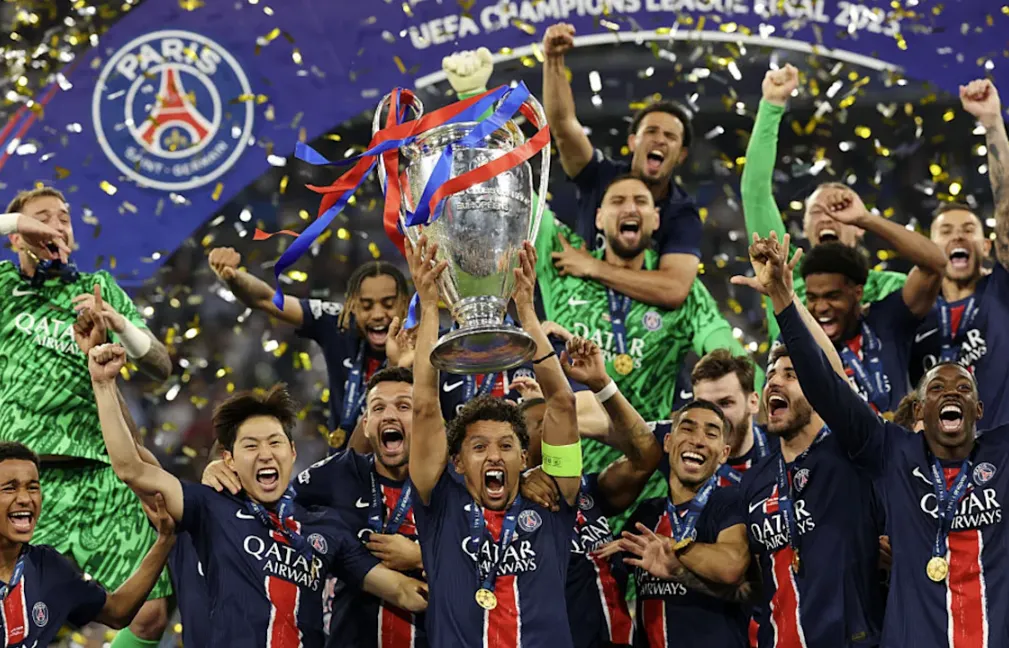
Gianluigi Donnarumma also answered his critics in spectacular fashion. The Italian goalkeeper, who had faced scrutiny for inconsistent performances, produced a string of world-class saves throughout the knockout stages, including a penalty save in the final that will be remembered for generations.
The Tactical Evolution Under Pressure
From Individual Brilliance to Collective Strength
One of the most significant criticisms of PSG in previous years was their over-reliance on individual brilliance. The team often looked disjointed, with star players operating in isolation rather than as part of a cohesive unit. This season, however, marked a fundamental shift in philosophy.
The tactical approach became more structured, with a clear identity that balanced defensive organization with attacking flair. The full-backs provided width while the midfield rotated positions to create overloads in dangerous areas. Rather than waiting for moments of magic from individual players, the team built attacks systematically, wearing down opponents through patient possession and intelligent movement.
Set pieces, once a weakness, became a genuine threat. The coaching staff had clearly worked extensively on dead-ball situations, and it paid off with crucial goals in tight matches. This attention to detail demonstrated that PSG had evolved from a collection of superstars into a properly coached team.
Adapting to Different Opponents
Throughout the tournament, PSG showed remarkable tactical flexibility. Against teams that pressed high, they played direct balls to exploit space behind the defense. Against deep blocks, they demonstrated patience and used quick combinations to break through lines.
The quarter-final against Manchester City was perhaps the best example of this tactical maturity. After losing the first leg 2-1, PSG produced a masterclass in game management in the second leg. They absorbed pressure, counter-attacked with precision, and ultimately secured a 3-0 victory that left Pep Guardiola praising their tactical discipline.
The Financial and Commercial Impact
What This Means for Ligue 1 and French Football
PSG’s Champions League triumph has implications far beyond the club itself. For Ligue 1, this victory provides validation that the French league can produce European champions. The increased television revenue and global interest will benefit all clubs in the division, potentially allowing French teams to compete more effectively in the transfer market.
The commercial opportunities are enormous. PSG’s brand value, already among the highest in world football, is expected to soar. New sponsorship deals, merchandise sales, and global fan engagement will generate substantial revenue that can be reinvested into the squad and infrastructure.
For fans following through Melbet, this success story highlights the importance of long-term investment and patience. The club’s journey from domestic dominance to European glory serves as a blueprint for ambitious clubs worldwide.
The Transfer Market Implications
Now that PSG have achieved their primary objective, the transfer dynamics will shift significantly. The club no longer needs to overpay for players desperate to join a Champions League winner. Instead, they can be more selective, targeting players who fit their system rather than simply buying the biggest names available.
Speculation about Mbappé’s future will intensify, but this victory might convince him to extend his stay. The chance to defend the title as the key figure in a newly crowned European champion is an attractive proposition that few other clubs can offer.
The club is also expected to focus on youth development, having proven that their academy can produce first-team talent like Zaïre-Emery. This shift toward sustainability represents the next phase of the QSI project.
The Future of Paris Saint-Germain
Defending the Title and Building a Dynasty
Winning the Champions League is exceptionally difficult. Defending it is even harder. Only a handful of clubs have managed to win back-to-back titles, and PSG will need to avoid complacency if they want to join that elite group.
The squad will likely see some changes, with players who achieved their dream possibly seeking new challenges. However, the core group that delivered this triumph should remain intact, providing the continuity needed for sustained success.
The club’s infrastructure continues to improve, with the new training ground now fully operational and plans for stadium expansion moving forward. These investments in long-term stability will help PSG compete with European giants like Real Madrid and Bayern Munich year after year.
What Critics Got Wrong
Throughout the QSI era, critics argued that PSG’s approach was unsustainable, that buying success would never work in European football. This victory proves that while the path may be different, the destination is the same. The club invested wisely in key positions, developed a strong youth system, and eventually found the right coaching staff to bring it all together.
Dr. James Richardson, a football strategy analyst from the University of Manchester, commented on this transformation: “What we’ve seen at PSG is the evolution of a project. Initially, it was about making a statement with marquee signings. But the real genius was in the transition—moving from being a club that bought stars to one that develops a winning system. This Champions League victory validates that long-term strategy.”
The criticism regarding the level of competition in Ligue 1 has also been addressed. PSG dominated domestically, but their European performances proved they could compete with and defeat the best teams from England, Spain, Germany, and Italy. The 4-1 aggregate victory over Liverpool in the Round of 16 sent a clear message that this team was different.
A New Chapter Begins
The Champions League trophy sits in Paris for the first time in the club’s history. The mission that began with QSI’s takeover in 2011 has been accomplished. But as any football fan knows, success in this sport is never final—it’s always about what comes next.
PSG now stands at a crossroads. They can become a one-hit wonder, content with their single European triumph. Or they can build on this success, establishing themselves as a perennial contender for the biggest prize in club football.
For the fans who have witnessed the journey—from the early disappointments to this moment of glory—the future has never looked brighter. The celebrations on the Champs-Élysées will continue for days, but behind the scenes, the work has already begun for next season.
PSG’s Champions League triumph represents more than just a trophy. It’s the completion of a vision, a validation of ambition, and the beginning of a new chapter in European football history. The question of “mission accomplished, now what?” has only one answer: build a dynasty.
As the confetti settles and the champagne stops flowing, the real work begins. But for now, Paris can celebrate. They’ve waited over a decade for this moment, and it was worth every second.
For more updates on PSG’s journey and in-depth analysis of European football, continue following Melbet for the latest news, expert opinions, and exclusive content that keeps you connected to the beautiful game.
