
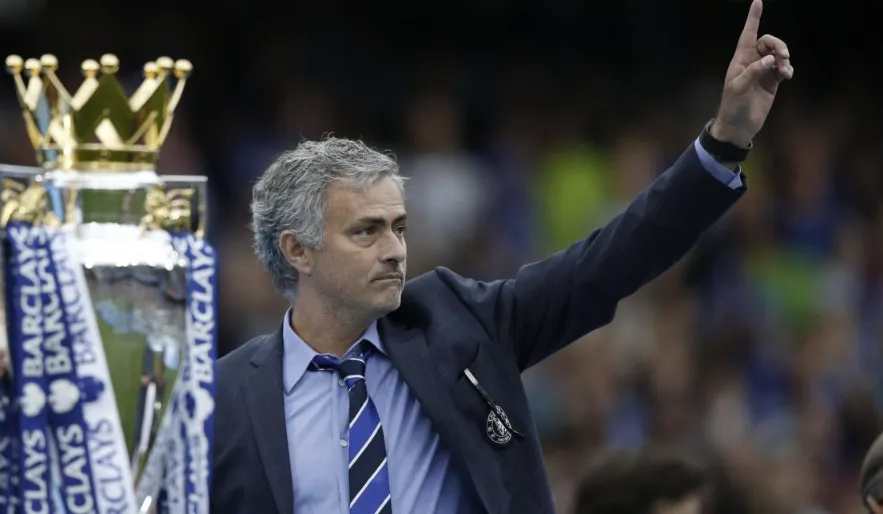
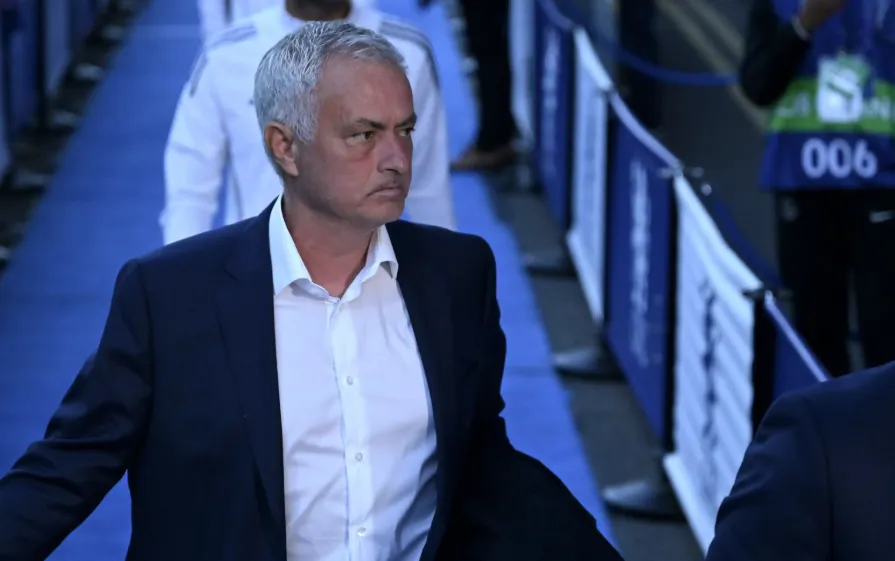
The football world was recently stirred by a familiar yet poignant sight: José Mourinho returning to Stamford Bridge, not as the home manager, but as the opposing tactician. This visit served as more than just a fixture on the calendar; it was a powerful reminder of the seismic impact “The Special One” had on Chelsea Football Club. For fans following the latest sports insights at Melbet, this moment was a deep dive into football history, reigniting debates about legacy, tactics, and the ever-changing nature of the modern game.
The Legacy of “The Special One”
When José Mourinho first arrived in English football in 2004, he wasn’t just a new manager; he was a cultural phenomenon. His declaration that he was “a special one” was initially met with skepticism, but it quickly became a self-fulfilling prophecy. His impact at Chelsea was immediate and transformative, reshaping the club from a perennial contender into a dominant force.
Foundation of a Dynasty
Mourinho’s first tenure (2004-2007) laid the groundwork for Chelsea’s modern identity. He instilled a defensive solidity and tactical discipline that was previously unseen in the Premier League. The famous 4-3-3 formation, with its powerful midfield and lone striker, became a blueprint for success. Key aspects of this era include:
- Back-to-Back Premier League Titles:Winning the league in 2004-05 and 2005-06, setting a record for the fewest goals conceded (15) in the 2004-05 season.
- Domestic Cup Success:Adding an FA Cup and two League Cups to the trophy cabinet.
- A Winning Mentality:He cultivated a siege mentality that bonded players and fans, creating an aura of invincibility at Stamford Bridge.
Dr. Alistair Finch, a football historian and author, notes, “Mourinho’s Chelsea was a paradigm shift in English football. He didn’t just win; he changed how teams approached the game. The emphasis on tactical shape and psychological control became a standard that others had to emulate.”
The Modern Return: A Tactical Mirror
His return with his current team was a stark contrast to the vibrant, attacking possession-based style that Chelsea has recently adopted under their latest managers. It was a masterclass in pragmatism and game management, the very essence of Mourinho’s philosophy.
Defensive Organization and Counter-Attacking
Mourinho’s game plan was clear from the first whistle: absorb pressure, disrupt Chelsea’s rhythm, and strike on the counter. Observing the match, it was evident that:
- The Defensive Block was Impenetrable:His team sat deep in a compact 5-4-1 formation, denying space for Chelsea’s creative midfielders. The full-backs were pinned back, and the midfielders worked tirelessly to close down passing lanes.
- Clinical Counter-Attacks:Every time Chelsea lost possession, the opposition would transition with pace and purpose, targeting the space behind the high defensive line. This was a tactic Mourinho perfected at Inter Milan and Real Madrid.
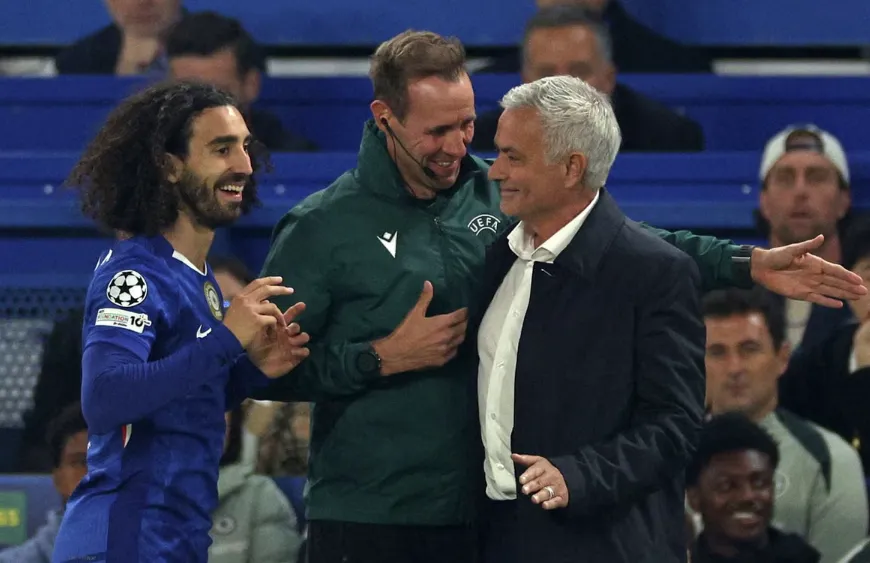
- Psychological Warfare:From the touchline, Mourinho was animated, advising his players and engaging with the fourth official. This constant pressure is a hallmark of his management style, designed to unsettle the opposition and influence the referee.
Sarah Jenkins, a former Premier League analyst for Sky Sports (and now a contributor at Melbet), commented, “Watching Mourinho‘s team was like looking into a football time capsule. It wasn’t beautiful, but it was ruthlessly effective. He knows how to win a single match, even if his long-term project is still a work in progress. This match was a clear demonstration of his enduring tactical intelligence.”
The Emotional Response and the Stamford Bridge Crowd
Perhaps the most telling aspect of the return was the emotional response from the Chelsea fans. They have a complex relationship with Mourinho. He brought them unprecedented success, but his third stint ended in bitterness and acrimony.
A Mixed Reception
The reception was not universally hostile. While some fans booed, a significant portion of the stadium applauded him. This reflects the deep-seated respect for his contribution to the club’s history. The reaction highlighted:
- Respect for History:Many fans recognize that without Mourinho’s initial success, the club might not have attracted the high-profile players and managers that followed. He laid the foundation for the club’s current stature.
- Nostalgia:For Chelsea fans, Mourinho represents an era of pure, unadulterated dominance. The sight of him back in the technical area, even on the opposite side, triggered a wave of nostalgia for a time when the club was the absolute king of England.
- Emotional Complexity:The applause was not an endorsement of his current role but a tribute to a man who, for a time, was the most important person in the club’s history.
Conclusion: A Lasting Reminder
José Mourinho’s return to Chelsea was more than just a football match; it was a powerful reflection on his enduring legacy. The game served as a vivid reminder of his tactical genius, his ability to shape a club’s identity, and the unique psychological impact he has on the game. While football continues to evolve, with new managers and new philosophies, the principles Mourinho established at Chelsea remain a benchmark for success.
This encounter was a masterclass in football history, offering a perfect comparison between the pragmatism of the past and the dynamism of the present. For football enthusiasts, it was a chance to revisit a golden era and appreciate the strategic depth that “The Special One” brought to the beautiful game. We invite you to share your memories of the Mourinho era in the comments below. Which moment from his time at Chelsea stands out to you? Explore more of our in-depth football analysis at Melbet for the latest insights and expert breakdowns.
