
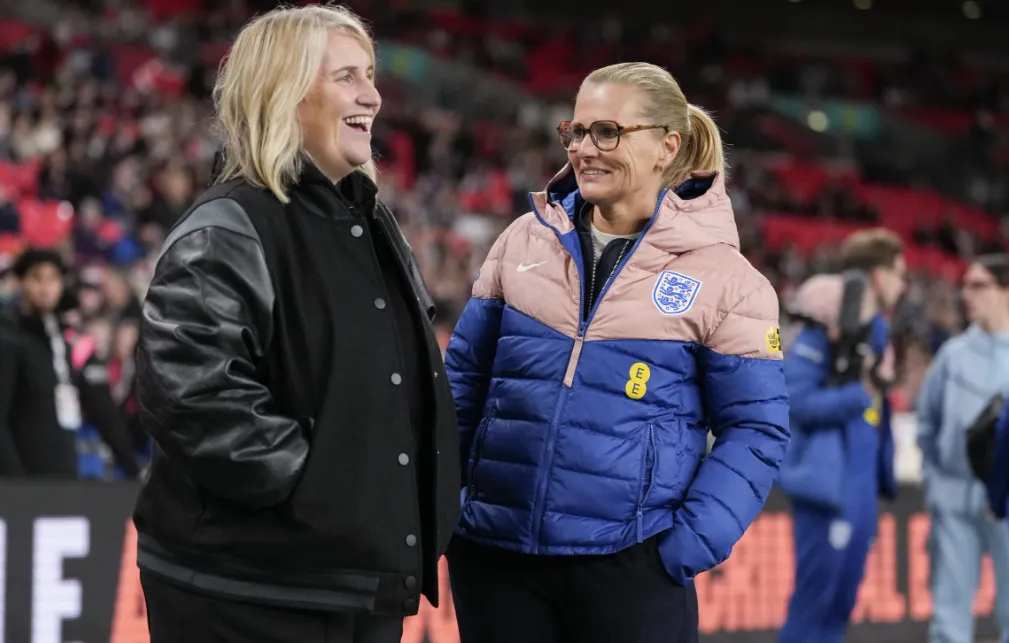
In a groundbreaking move that is set to reshape women’s football, FIFA has officially announced that all teams participating in its women’s competitions must now have a female head coach and a female assistant coach. This new mandate, revealed earlier this week, represents a monumental step toward gender equity in the sport, ensuring that women are not just players but also leaders on the sidelines. As the football world absorbs this seismic change, it’s impossible to ignore the ripple effects it will have on coaching pipelines, player development, and the global landscape of the game.
For years, women’s football has seen remarkable growth, with record-breaking attendances, increased investment, and a surge in talent. However, the coaching ranks have often lagged behind, with many top positions still held by men. According to a report from ESPN last year, less than 30% of head coaches in top-tier women’s leagues worldwide were women. This new policy by FIFA—detailed in a recent announcement—aims to correct that imbalance directly, mandating that the touchlines of women’s competitions should reflect the gender of the athletes on the pitch.
The decision has been met with widespread acclaim from players, former coaches, and analysts alike. “This isn’t just about filling quotas; it’s about investing in a future where women see themselves as tactical leaders and decision-makers,” said Dr. Elena Martinez, a sports governance expert at the University of Barcelona. It’s a sentiment that resonates deeply within the community, as it promises to create a sustainable ecosystem for female coaching talent. Moreover, the federation has emphasized that exceptions will be made only in extraordinary circumstances, ensuring the rule is enforced rigorously across all FIFA-sanctioned women’s tournaments.
Who Was the Driving Force Behind This Historic Mandate?
The push for this policy didn’t happen overnight. It stems from years of advocacy by former players and coaches, as well as internal FIFA committees focused on gender equality. Chief among the proponents was Sarai Bareman, FIFA’s Chief Women’s Football Officer, who has long championed the need for structural change. In a press conference following the announcement, Bareman stated that the mandate is a “natural progression” of the federation’s commitment to equity.
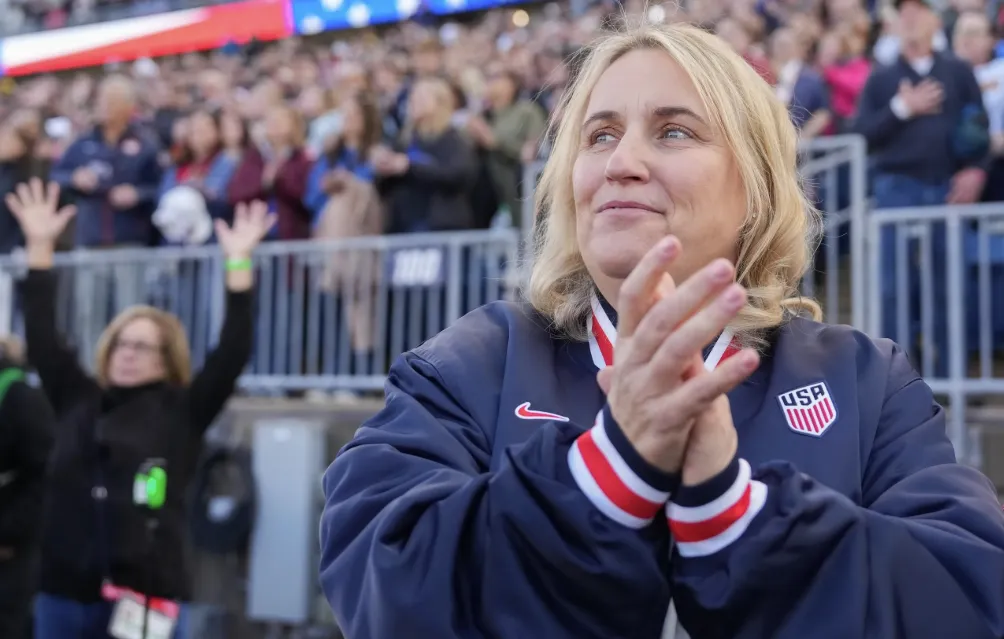
Before this, FIFA had been increasing its investment in women’s football through programs like the FIFA Women’s Football Strategy, which aimed to double the number of female participants by 2027. Yet, the coaching gap remained a stubborn challenge. For instance, during the 2023 FIFA Women’s World Cup in Australia and New Zealand, only 12 out of 32 teams were led by female head coaches. That statistic served as a stark wake-up call. The new rule now ensures that from the next edition of the World Cup onward, every team’s technical staff must be headed by women, fundamentally altering the competitive dynamic.
What Are the Key Requirements and Timeline?
The mandate is remarkably clear and leaves little room for ambiguity. Starting from January 1, 2027, every team participating in any FIFA women’s competition—including the World Cup, youth tournaments, and Olympic qualifiers—must have a female head coach and a female assistant coach as part of their official technical staff. The rule applies not just to national teams but also to club sides if they qualify for FIFA-sanctioned events like the FIFA Women’s Club World Cup (currently being beta-tested).
- Head Coach Role:Must be a woman with a valid FIFA coaching license, and she shall be the primary decision-maker regarding tactics, lineups, and player management.
- Assistant Coach Role:Must also be a woman, providing support and collaboration. This role is designed to create entry points for emerging female coaches.
- Transition Period:FIFA has allowed a grace period until the end of 2026 for federations to comply. During this period, associations are requested to actively recruit and train female coaches.
- Penalties for Non-Compliance:Teams that fail to meet the mandate by the start of a competition will face sanctions, which could include fines or even disqualification from the tournament.

What Are the Key Requirements and Timeline?
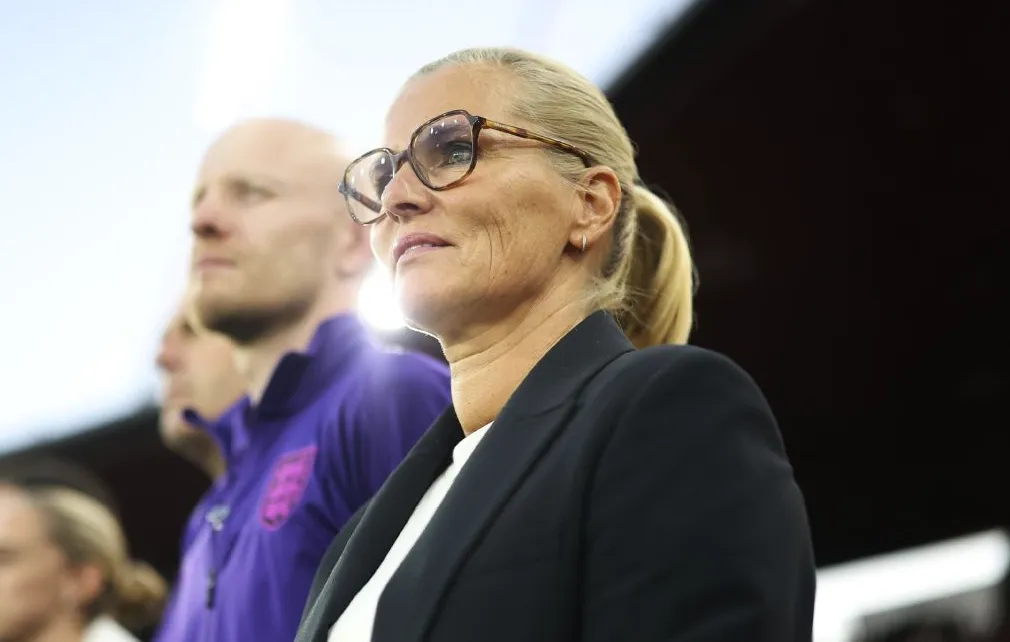
This tiered approach is crucial. It recognizes that some countries have more established coaching pools than others. For example, nations like Sweden, England, and the United States have a rich history of female coaches, while others in Africa and Asia may have a steeper hill to climb. As a result, FIFA has also launched a global mentorship program linking experienced female coaches with emerging talent from underrepresented regions.
How Will This Impact Player Development and Team Dynamics?
From a tactical and psychological standpoint, the implications are profound. Many analysts believe that having female coaches in the dugout can create a more empathetic and communicative environment for female athletes, potentially reducing the instances of abuse and burnout that have been reported in some national camps. Sports psychologist James O’Reilly noted, “Female athletes often respond differently to authority figures. Seeing a woman lead a technical area sends a powerful signal about self-determination and competence.”
Furthermore, this policy is expected to accelerate the development of coaching academies worldwide. National associations are now scrambling to identify and train female coaches to fill these roles. This is a significant investment, but one that pays dividends over time. Think of it like a pipeline: as more women enter coaching, they inspire the next generation of players to consider that path themselves. For instance, the English Football Association recently launched a “Coaching Her Way” initiative, offering scholarships and certifications exclusively for women.
- Improved Communication:Research from the University of Toronto shows that female-led teams often have higher levels of trust and communication.
- Tactical Innovation:A diversity in coaching perspectives often leads to more creative and adaptable footballing styles.
- Role Models:Young girls attending matches will see women in authoritative positions, breaking down aged-old stereotypes.
Are There Any Challenges or Criticisms?
While the mandate is widely celebrated, it is not without its detractors. Some critics argue that it is too blunt an instrument. They claim that focusing on gender alone overlooks the fact that coaching is a meritocratic profession, and forcing the rule could hinder performance if the pool of qualified female coaches is still thin. Opponents point to instances in mens’ football, where competence is the only criteria. For example, the Swiss Football Association expressed concern about the logistics, stating they would need to prioritize funding for coaching courses over other development programs.
Others raise questions about the definition of “female.” FIFA has confirmed that it adheres to the same gender eligibility rules as for players, meaning only biological or self-identified women as per their policy can apply. This has led to debates among human rights groups and conservative bodies about inclusivity versus tradition. However, FIFA has remained firm, stating that the policy is designed to address a historical imbalance and is not intended to be exclusive.
A Global Comparison: What Does This Mean for Different Regions?
The global impact will vary significantly. Consider the African continent. Many nations there already struggle with basic infrastructure and funding. For them, this mandate could be a double-edged sword: it forces investment in female coaches but also creates an immediate shortage of qualified candidates. In contrast, in Europe, where the women’s game is more professionalized, the transition will be smoother. Countries like France and Germany already have several licensed female coaches ready to step into the role.
In Asia, the Japanese Football Association has already proactively started programs to comply, while India is playing catch-up. The North American and South American scenes will also face unique hurdles. The United States has a strong base of female coaches from college programs, yet the MLS-centric system often pulls talent away. Ultimately, as Melbet analysis highlights, this mandate forces a unified standard that raises the baseline for everyone.
What Does the Future Hold for Women’s Football Coaching?
The long-term vision is nothing short of transformative. By 2030, FIFA hopes to see a self-sustaining ecosystem where 50% of all coaching roles in women’s football are held by women. This initial mandate is the launchpad. It will push national federations to create scholarships and exchange programs, much like the FIFA Women’s Coaching Scholarship announced earlier this month.
From a fan’s perspective, this means the games we watch will look and feel different. Expect to see more nuanced tactical approaches—perhaps less reliance on physicality and more on technical fluidity. We may also witness a shift in media coverage, as more female analysts and pundits rise through the coaching ranks. The game is evolving, and the sidelines are becoming just as diverse as the pitch.
In conclusion, this decision by FIFA is not just a policy update; it is a cultural revolution. It changes who we see, who we trust with the most critical decisions, and who we celebrate in victory or defeat. As we move toward 2027, every women’s football fan should keep a close eye on their national associations’ coaching appointments. This is a race toward equality, and it’s a race we all win. So, what do you think? Will this mandate truly level the playing field, or are there nuances we’re overlooking? Share your thoughts in the comments below and be sure to explore even deeper analysis right here on Melbet.
