
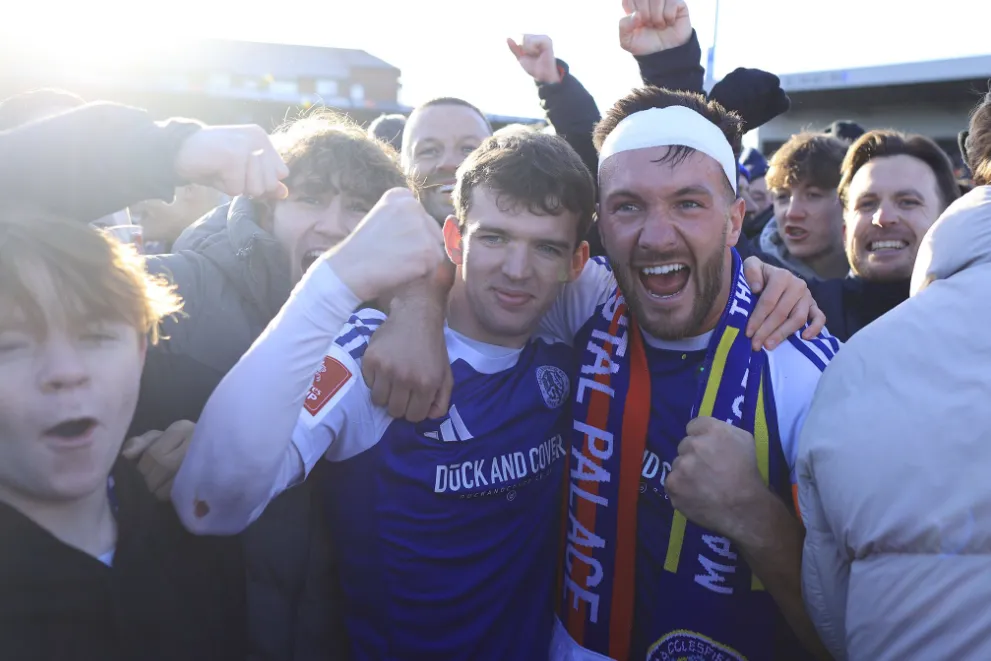
The FA Cup has always been more than just a football competition; it is a stage for dreams, a canvas for glorious upsets, and a treasure chest of unforgettable moments. While the Premier League crowns the most consistent team, the FA Cup celebrates the brave, the daring, and the miraculous. As we look back at the competition’s rich history, six finals stand out not just for their results, but for the sheer drama, stunning goals, and unexpected narratives that defined them. Whether you are a seasoned football historian or a casual fan, these matches offer a glimpse into why the FA Cup remains the most cherished domestic cup competition in the world. Let’s dive into these remarkable encounters, brought to you with expert analysis from Melbet.
The “Crazy Gang” Conquer the Giants (1988)
When Wimbledon, a club that had climbed from non-league to the top flight in just over a decade, faced the mighty Liverpool, the script seemed already written. Liverpool were the dominant force in English football, chasing a league and cup double. But what happened on that sunny afternoon at Wembley remains one of the greatest upsets in football history.
The Build-Up and the Context
Wimbledon were known as the “Crazy Gang,” a group of fiercely determined, no-nonsense players led by the charismatic John Motson’s favorite, Vinnie Jones. Their style was physical, direct, and unapologetically working-class. Liverpool, managed by Kenny Dalglish, boasted stars like John Barnes, Peter Beardsley, and Ian Rush. The mismatch in style and pedigree was stark.
The Defining Moment
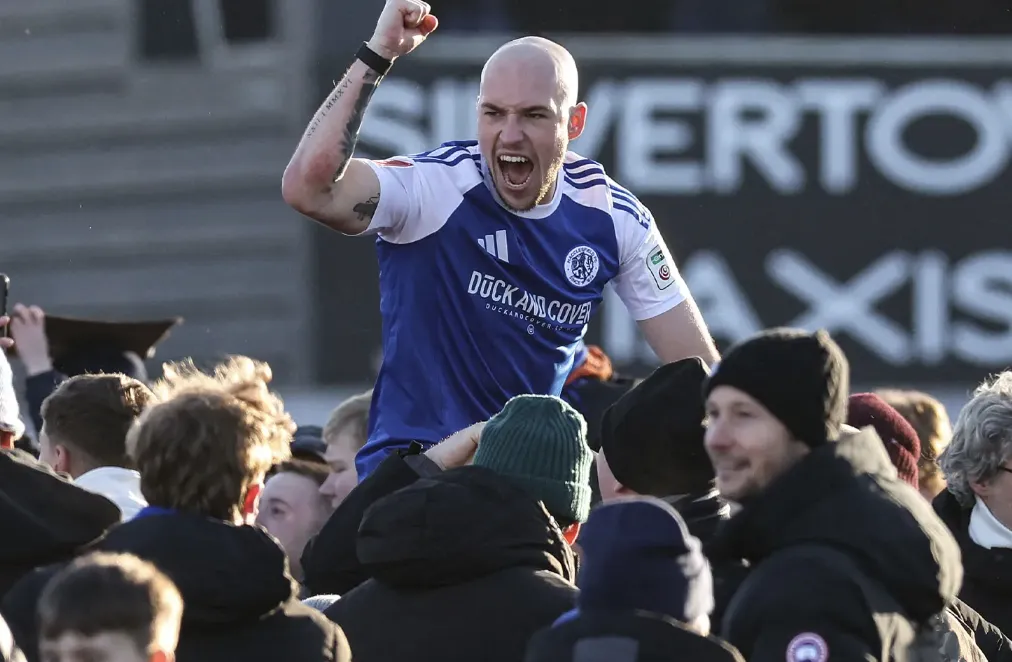
The match was a tense, scrappy affair, exactly the type Wimbledon wanted. Then, in the 37th minute, a long throw-in from Dennis Wise found its way to the edge of the box. Lawrie Sanchez, not known for his aerial prowess, flicked the ball with a looping header over the outstretched hand of Liverpool goalkeeper Bruce Grobbelaar. It was a goal born from a set-piece, a classic Wimbledon strategy.
The Aftermath and Impact
Liverpool pushed hard for an equalizer, but the Wimbledon defense, led by the colossal Steve Bruce, held firm. The final whistle sparked scenes of incredible joy and disbelief. This victory was not just a win; it was a testament to the power of teamwork and belief over individual brilliance. It remains the gold standard for underdog stories in the FA Cup.
The “Fergie Time” Final (1999)
Fast forward eleven years, and another final would be defined by a late, late twist. Manchester United, chasing an unprecedented treble, faced Newcastle United in the 1999 final. The Red Devils had won the league and were just days away from the Champions League final. The FA Cup was the second leg of their treble quest.
Tactical Breakdown
Manchester United were a whirlwind of attack, while Newcastle, managed by Ruud Gullit, were more pragmatic. The game was tight, goalless at half-time, with Newcastle’s defense frustrating Sir Alex Ferguson’s men. But the second half told a different story.
The Goal that Sealed the Treble
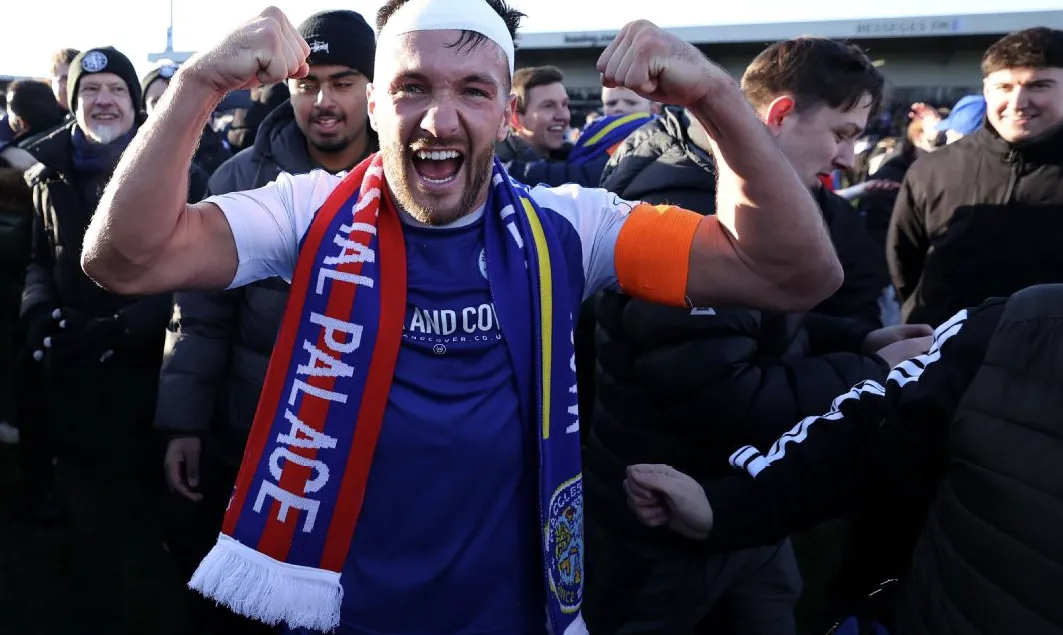
The deadlock was broken in the 70th minute when David Beckham curled a trademark free-kick into the box. The delivery was perfect, and the ball found its way to Ryan Giggs, who fired a low shot through a crowded area to make it 1-0. Newcastle pushed for an equalizer, but it was Paul Scholes who sealed the victory with a brilliant volley in the 81st minute. The 2-0 final score barely reflected the tension of the match, but for Manchester United, it was the perfect warm-up for their legendary Champions League triumph days later.
The Miracle of Steven Gerrard (2006)
Perhaps no single player has ever dominated an FA Cup final like Steven Gerrard did in 2006. Liverpool faced West Ham United, and the game was a chaotic, end-to-end thriller from the start. West Ham, the underdogs, raced to a 2-0 lead inside the first 28 minutes.
The Comeback Begins
Liverpool pulled one back just before half-time through Djibril Cissé. But early in the second half, West Ham restored their two-goal lead through a magnificent Paul Konchesky cross that sailed over Pepe Reina’s head. With Liverpool trailing 3-1 and time running out, the game seemed lost.
Gerrard’s Moment of Magic
In the 54th minute, a penalty from Gerrard made it 3-2. Then, with the clock ticking down into stoppage time, the ball came to Gerrard 30 yards from goal. He was exhausted, but he shaped his body perfectly and unleashed a thunderous, swerving drive that flew past Shaka Hislop. The goal was pure genius, a moment that defied logic and fatigue. The match ended 3-3, and Liverpool won on penalties, with Gerrard lifting the trophy. This is widely considered the greatest individual performance in a cup final.
The Wigan Athletic Fairytale (2013)
The 2013 final presented another classic underdog story: Wigan Athletic, a club fighting relegation in the Premier League, against the mighty Manchester City, the league’s richest club and heavy favorites. Wigan’s manager, Roberto Martinez, had built a team that played attractive, possession-based football.
A Battle of Attrition
The match was a tense, cagey affair. Manchester City dominated possession but struggled to break down a well-organized Wigan defense. Wigan, in turn, threatened on the counter-attack, with the pace of Shaun Maloney and Callum McManaman. The game was destined for extra time with the score 0-0.
The Winning Goal
With just ten minutes left of normal time, a Wigan corner kick was only half-cleared. The ball fell to Ben Watson, who met it with a powerful, downward header from close range. The Wembley crowd erupted. Wigan held on for the remaining minutes, securing the most unlikely of victories. This was a quintessential FA Cup story: a club that was relegated from the top flight just days later, yet had won the greatest prize in domestic cup football. It is a reminder that the Cup does not care about your league position; it only cares about who wants it more.
The Arsenal vs. Hull City Classic (2014)
Arsenal arrived at Wembley with the pressure of a nine-year trophy drought weighing heavily on them. Their opponents, Hull City, were the surprise package, playing in their first-ever major final. What followed was a game of swings, drama, and redemption.
Hull’s Dream Start
Inside the first ten minutes, Hull City were 2-0 up. A corner from James Chester found the head of Curtis Davies, who powered it past Fabianski. Minutes later, a strike from Tom Cleverley was deflected past the Arsenal goalkeeper. The Arsenal fans were stunned, and their team looked shell-shocked.
The Fight Back
Arsenal needed a leader, and they found one in Laurent Koscielny. He scored to make it 2-1 just before half-time. Then, early in the second half, Santi Cazorla curled a free-kick through a gap in the Hull wall to equalize. The game was wide open.
The Extra Time Decider
Both teams had chances, but it was a goal from a set-piece that decided the match. In the 109th minute, a corner from Cazorla was met by the head of Aaron Ramsey, who guided the ball into the net. The goal ended Arsenal’s trophy drought and sparked an era of success under Arsène Wenger. This match is a perfect example of the emotional rollercoaster that the FA Cup provides.
Conclusion: The Undying Spirit of the FA Cup at Melbet
The six finals we have explored showcase the very essence of the FA Cup: the brilliance of individual talent, the power of teamwork, and the enduring magic of the underdog. From Wimbledon’s giant-killing act to Arsenal’s resilience, each final has left an indelible mark on the tournament’s legacy. These matches are not just about the trophies; they are about the stories that are written on the hallowed Wembley turf.
The FA Cup continues to be a stage where legends are made and where hope springs eternal. It is a tournament that every club, from the Premier League giants to the smallest non-league side, truly believes they can win. As we look forward to future finals, we can be sure that the magic of the Cup will continue to deliver moments that will be etched in football history forever.
Do you have a favorite FA Cup final memory? Share your thoughts and moments in the comments below! Let’s keep the spirit of the Cup alive by discussing the greatest games in this historic competition. Explore more thrilling football content and expert analysis only on Melbet.
