
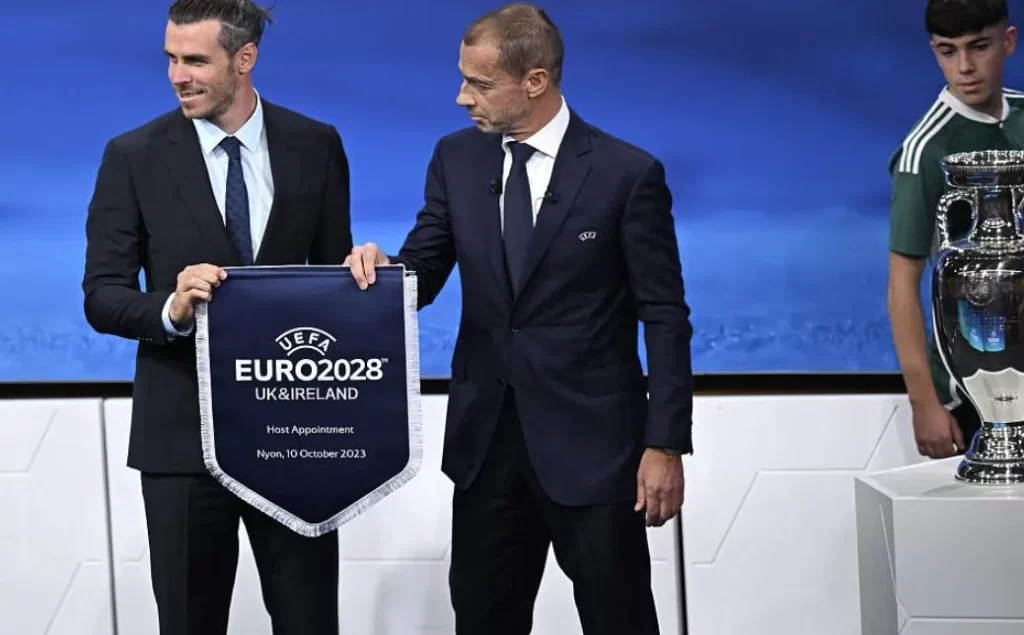
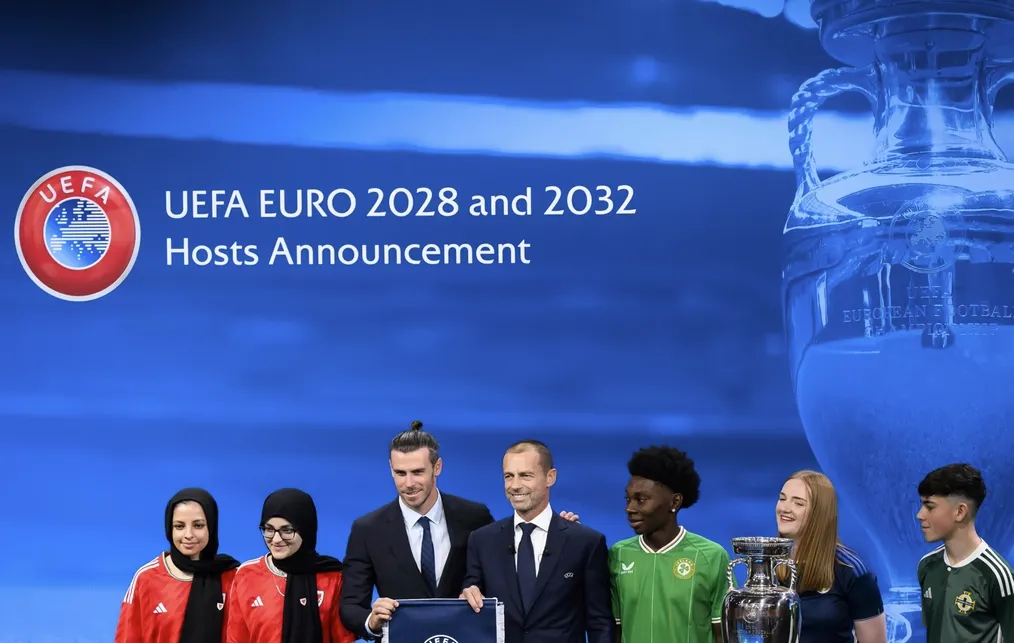
The landscape of European football is evolving with exciting developments on the horizon. In a historic decision that will reshape the tournament’s future, the United Kingdom and Ireland have been confirmed as the hosts for the Euro 2028 championship, while Italy and Turkey have jointly secured the rights to stage Euro 2032. This announcement, made official by UEFA, marks a significant moment for football enthusiasts across the continent, promising unforgettable experiences for fans and players alike.
The Decision That Shaped European Football’s Future
Who Was Behind the Bid?
The successful bid for Euro 2028 brings together five football associations: England, Scotland, Wales, Northern Ireland, and the Republic of Ireland. This collaborative effort represents the first time that multiple nations from the British Isles have united to host a major tournament since the 1966 World Cup in England. The bid was built on a shared vision of delivering a world-class event that celebrates the rich football heritage of these nations.
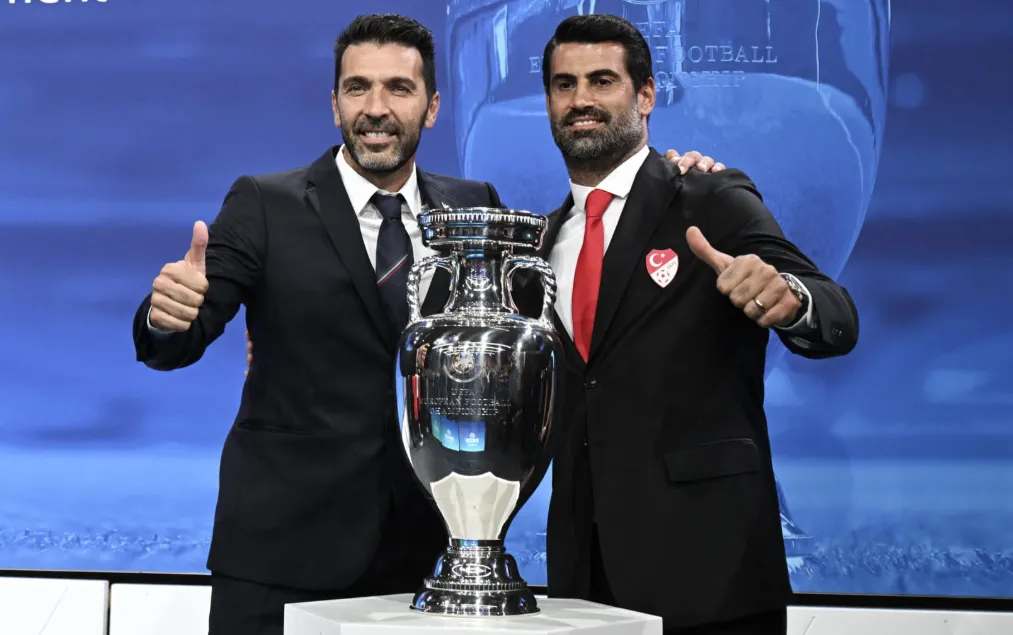
For the Euro 2032 edition, Italy and Turkey emerged as the preferred candidates after Albania’s withdrawal from their joint bid with Italy. The decision reflects UEFA’s desire to bring the tournament to two football-loving nations with deep-rooted football cultures and modern infrastructure capabilities.
A Detailed Timeline of Events
The journey to this announcement began months ago, with both bids undergoing rigorous evaluation by UEFA’s executive committee. Key milestones included:
- Initial Bid Submissions: Both the UK-Ireland and Italy-Turkey bids were formally submitted, showcasing their stadium plans, transportation networks, and accommodation strategies.
- Infrastructure Assessment: UEFA inspectors toured potential host cities, evaluating stadium capacities, security measures, and fan experience facilities.
- Final Decision: The executive committee voted overwhelmingly in favor of both bids, recognizing their potential to deliver exceptional tournaments.

A Detailed Timeline of Events
The Venues and Cities: What to Expect
Euro 2028: A Stadium Tour Across Five Nations
The Euro 2028 tournament will feature matches across ten state-of-the-art stadiums, each with its own unique character and history. Here’s a breakdown of the confirmed venues:
England’s Iconic Grounds
- Wembley Stadium (London): The 90,000-seat national stadium will host the final and semi-finals, continuing its tradition as the spiritual home of English football.
- Tottenham Hotspur Stadium: This modern 62,850-seat venue will showcase its retractable pitch and innovative design.
- Etihad Stadium (Manchester): Home to Manchester City, this 53,400-seat arena will bring top-tier football to the north of England.
- James’ Park (Newcastle): The 52,305-seat stadium will introduce international football to the passionate Geordie fanbase.
- Villa Park (Birmingham): The historic 42,640-seat ground will host matches in England’s second city.

Euro 2028: A Stadium Tour Across Five Nations
Scotland’s Contribution
- Hampden Park (Glasgow): The 51,866-seat national stadium will welcome fans from across Europe to the home of Scottish football.
Wales, Ireland, and Northern Ireland
- Principality Stadium (Cardiff): With a capacity of 73,931, this venue will bring the tournament to the Welsh capital.
- Aviva Stadium (Dublin): The 51,700-seat stadium will host matches as Ireland showcases its football passion.
- Casement Park (Belfast): A newly rebuilt 34,500-seat stadium will represent Northern Ireland’s return to major tournament hosting.
Euro 2032: A Journey Through Italy and Turkey
The 2032 tournament will span both nations, offering a unique experience that blends Italian elegance with Turkish hospitality. Key venues include:
Italian Stadia
- Stadio Olimpico (Rome): The 70,634-seat venue will likely host the final, continuing its legacy from the 1990 World Cup.
- San Siro (Milan): Despite ongoing discussions about its future, the iconic 75,817-seat stadium remains a cornerstone of Italian football.
- Stadio Diego Armando Maradona (Naples): The 54,726-seat stadium will bring the tournament to southern Italy.
Turkish Powerhouses
- Atatürk Olympic Stadium (Istanbul): Already confirmed as the 2027 Champions League final venue, this 74,753-seat stadium will showcase Turkey’s modern infrastructure.
- Şükrü Saracoğlu Stadium (Istanbul): Home to Fenerbahçe, this 47,544-seat venue will add to the capital’s football offerings.
- New Ankara Stadium: A purpose-built venue in the Turkish capital will demonstrate the nation’s growing football ambition.
Analyzing the Bids: Why These Choices Make Sense
The Strategic Advantages of the UK-Ireland Bid
According to Mark Thompson, a football analyst with over 20 years of experience covering European tournaments, the UK-Ireland bid offers exceptional logistical benefits. “The proximity of the host nations means that fans can travel easily between matches, creating a festival-like atmosphere. With existing transportation links and a shared language, this tournament will be incredibly fan-friendly.”
Thompson points out that the infrastructure is already in place: “Most of these stadiums are Premier League or top-tier grounds that already meet UEFA’s highest standards. The investment required is minimal compared to other recent hosts, meaning more resources can be directed toward fan experiences and legacy projects.”
The Cultural Significance of Italy-Turkey 2032
Dr. Sarah Martinez, a sports historian specializing in European football culture, highlights the symbolic importance of Italy and Turkey co-hosting. “Italy represents the historical heart of European football—the passionate tifosi, the tactical genius, the beautiful game. Turkey, on the other hand, brings youthful energy and a rapidly growing football economy. Together, they offer a perfect blend of tradition and modernity.”
The decision also addresses geopolitical considerations. “Bringing the tournament to Turkey strengthens UEFA’s ties with a nation that often sits at the crossroads of Europe and Asia. It’s a statement about football’s unifying power,” Martinez explains.
Financial Implications and Economic Impact
The Cost of Hosting: Investments and Returns
Both tournaments represent significant financial commitments:
- Euro 2028 Infrastructure: The UK-Ireland bid estimates total costs of approximately £500 million, primarily for upgrading Casement Park and enhancing transportation networks. However, existing stadiums mean costs are lower than average.
- Euro 2032 Requirements: Italy and Turkey face higher costs, with estimates around €1.5 billion. Italy needs to modernize several historic stadiums, while Turkey must complete new builds in Ankara and potential renovations elsewhere.
Economic Benefits for Host Nations
Economic projections suggest substantial returns:
- Job Creation: Both tournaments are expected to create tens of thousands of temporary and permanent jobs in construction, hospitality, and security sectors.
- Tourism Revenue: Euro 2028 could generate £2 billion in tourism spending. Euro 2032 might bring in €3.5 billion as fans from both Europe and Asia visit the two nations.
- Legacy Infrastructure: The tournaments will leave lasting benefits, including improved stadiums, better public transport, and enhanced international profile.
Fan Experience: What Supporters Can Expect
Ticket Policies and Accessibility
Both tournaments aim to make matches accessible:
- Affordable Pricing: UEFA has committed to keeping ticket prices reasonable, with special rates for local supporters and families.
- Fan Zones: Each host city will have dedicated fan zones with big screens, local food, and entertainment.
- Sustainability Initiatives: Both bids include carbon offset programs and emphasis on public transportation to reduce environmental impact.
Cultural Experiences Beyond the Matches
Fans attending Euro 2028 can explore:
- British Heritage: Visit historic landmarks like Edinburgh Castle, the Giant’s Causeway in Northern Ireland, or the Cliffs of Moher in Ireland.
- Football Museums: Both the National Football Museum in Manchester and the Scottish Football Museum in Glasgow offer deep dives into the game’s history.
For Euro 2032 travelers:
- Italian Art and Cuisine: Enjoy world-class art in Florence, ancient history in Rome, and incredible food across the country.
- Turkish Hospitality: Experience Istanbul’s Grand Bazaar, the Blue Mosque, and Cappadocia’s unique landscapes.
Predictions and Possibilities: What the Future Holds
Potential Tournament Favorites for Euro 2028
England, as the dominant team in the home nations, will enter as strong contenders. “Having home advantage at Wembley for the final could be crucial,” notes Thompson. However, Scotland’s passionate support and Ireland’s improving squad could create surprises.
Euro 2032: Power Dynamics Shift
By 2032, European football’s landscape may look different. France and Germany remain perennial favorites, while Italy’s status as host could inspire a resurgence. Turkey’s national team, backed by passionate home crowds, might finally break through and challenge for the title.
The Importance of This Decision for Football
This announcement isn’t just about which nations will host matches—it represents UEFA’s commitment to spreading the tournament across diverse cultures and football traditions. Dr. Martinez sums it up: “By awarding Euro 2028 to the UK and Ireland, UEFA honors the birthplace of modern football. By choosing Italy and Turkey for 2032, they embrace the future of the sport in new markets.”
The decisions also reflect changing priorities in tournament hosting. “We’re seeing a shift toward co-hosting, which reduces the burden on any single nation while maximizing the tournament’s reach,” Thompson adds. “This trend is likely to continue, making future tournaments more accessible and exciting.”
Conclusion: Britain and Ireland Set to Host Euro 2028, Italy and Turkey Selected for Euro 2032
The Euro 2028 and Euro 2032 selections mark a new chapter in European football history. With the UK and Ireland offering world-class infrastructure and passionate fan bases, and Italy and Turkey providing rich cultural tapestries and modern ambitions, football fans have two exceptional tournaments to look forward to. The decision by UEFA to award these events highlights the enduring appeal of the European Championship and its ability to unite nations through sport.
As preparations begin, the most important voices belong to the fans. Whether you’re planning to travel to multiple host cities or just dreaming of watching from home, these tournaments promise unforgettable moments. What are your thoughts on the selections? Are you planning to attend matches in 2028 or 2032? Share your experiences and expectations in the comments below, and don’t forget to explore more articles on Melbet to stay updated on the latest football news and analyses. Your journey through European football’s next great era starts right here!
