
In a surprising move that has sent ripples through the English Premier League, Wolverhampton Wanderers chairman Jeff Shi has officially stepped down from his role, marking the end of an era for the Midlands club. This leadership change comes at a critical juncture for Wolves, who have been navigating turbulent waters both on and off the pitch. According to reports from multiple sources, Shi’s departure signals a potential strategic pivot for the club’s ownership structure, and fans are eagerly watching to see what comes next.
Shi, who has been the face of Fosun International’s ownership since 2016, guided Wolves through one of the most transformative periods in their modern history. Under his stewardship, the club returned to the Premier League, achieved consecutive seventh-place finishes, and even reached the quarter-finals of the Europa League. However, recent seasons have been marked by financial constraints, managerial changes, and a battle to avoid relegation, leading many to question the club’s direction.
Who Was Jeff Shi and Why Does His Departure Matter?
Jeff Shi was appointed as Wolves’ chairman in 2016 following Fosun International’s acquisition of the club from Steve Morgan. The Chinese conglomerate, known for its investments in healthcare, tourism, and entertainment, saw Wolves as a strategic entry point into the English football market. Shi’s role extended far beyond ceremonial duties; he was the primary liaison between the club’s management and Fosun’s executive board in Shanghai.

The Fosun Era: A Mixed Legacy
The Fosun era at Wolves will be remembered as a rollercoaster ride. When the takeover was completed, expectations were relatively modest. The club was languishing in the Championship, and few could have predicted the rapid ascent that followed. Key decisions during Shi’s tenure included:
- Appointing Nuno Espírito Santoin 2017, a move that proved transformative. The Portuguese manager led Wolves to promotion and established an attractive, counter-attacking style that became the club’s trademark.
- Strategic player recruitmentfrom Portugal’s Primeira Liga, including signings like Rúben Neves, Diogo Jota, and João Moutinho, which provided exceptional value and helped the club compete with established Premier League sides.
- Investment in training facilitiesand infrastructure, particularly the Sir Jack Hayward Training Ground redevelopment, which modernized the club’s behind-the-scenes operations.
However, the latter part of Shi’s tenure saw increased tensions among supporters. The club’s spending became more restrained after the pandemic, leading to frustration about transfer windows where key players were sold without adequate replacements. The dismissal of popular manager Julen Lopetegui just days before the 2023-24 season, citing disagreements over transfer strategy, was a particularly low point that tested fan loyalty.
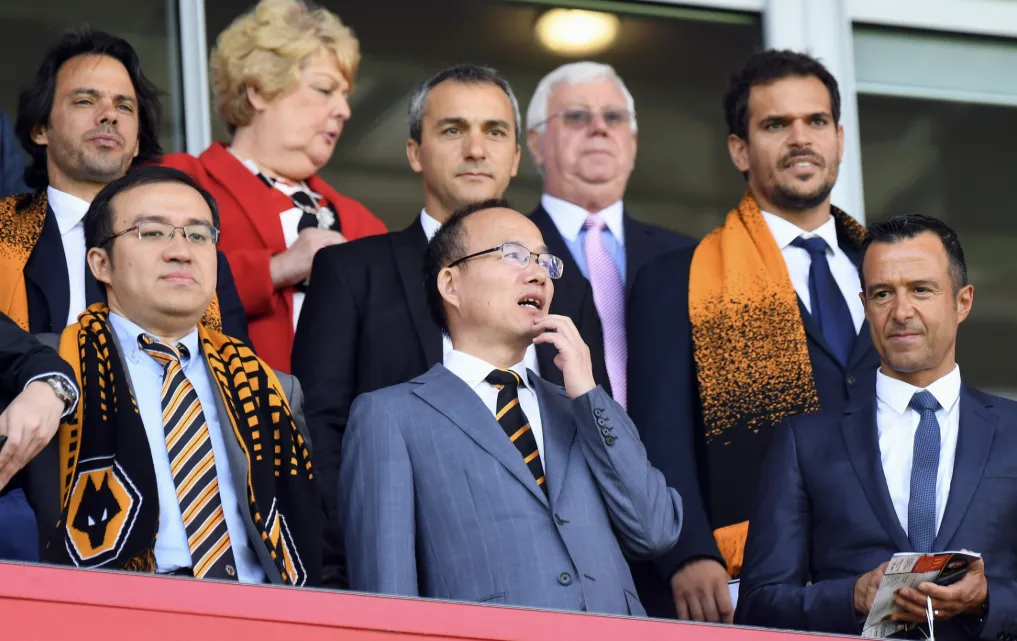
The Current Situation: Challenges on and Off the Pitch
Wolves are currently navigating a season filled with uncertainty. The club has seen several managerial changes in recent years, and the current campaign has been a struggle for consistency. With the team hovering near the bottom half of the Premier League table, Shi‘s departure comes at a time when stability is desperately needed.
The Sale Talks and Ongoing Rumors
One of the most significant developments in recent months has been the persistent rumors about Fosun’s willingness to sell the club. While the ownership group has publicly committed to Wolves, the financial realities of running a Premier League club – particularly one without European competition income – have raised questions about long-term sustainability. Reports suggest that several parties, including investors from the United States and Middle East, have expressed interest in acquiring the club.
The leadership vacuum created by Shi‘s departure might accelerate these discussions. According to sports business expert Dr. Michael Reynolds, a professor of sports management at the University of Leicester, “The timing of Shi’s exit is interesting. It could be purely a personal decision, or it could be part of a broader restructuring to make the club more attractive to potential buyers. Either way, this creates an opportunity for new leadership to define the club’s vision.”
Premier League Financial Fair Play Constraints
Like many clubs outside the traditional “Big Six,” Wolves have been navigating the complex landscape of the Premier League’s Profit and Sustainability Rules (PSR). The club’s wage bill has increased significantly in recent years, while broadcast revenues and matchday income have not kept pace. This financial pressure has forced difficult decisions, including the sale of academy products and homegrown talents to balance the books.
What Comes Next for Wolverhampton Wanderers?
The immediate priority for Wolves will be appointing a new chairman. While the club has not yet announced a successor, speculation points to several possibilities. Some insiders suggest that Shi‘s deputy, or another executive from within the Fosun network, could take over temporarily. Others believe that the club might bring in an external candidate with deep roots in English football to rebuild trust with the fanbase.
Potential Leadership Scenarios
| Scenario | Likelihood | Implications |
| Internal appointment from Fosun | High | Continuity but limited fresh perspective |
| External appointment from football industry | Medium | Potential for cultural reset but requires adaptation time |
| New ownership group appoints their own leadership | Medium | Depends on sale progress; could bring significant changes |
The Importance of Fan Trust
One of the critical challenges for Wolves’ next chairman will be rebuilding the relationship with the club’s passionate fanbase. The disconnect between the boardroom and supporters has grown in recent seasons, particularly regarding communication about transfers, pricing, and the club’s long-term vision. A more transparent approach from the new leadership could go a long way toward healing these wounds.
Conclusion: Wolves Chairman Jeff Shi Steps Down: What This Means for the Premier League Club’s Future
Jeff Shi’s departure as Wolves chairman represents a significant turning point for a club that has experienced the highest highs and lowest lows under his leadership. While his tenure brought remarkable achievements, including promotion and European football, it also saw the club struggle with identity and financial sustainability in the competitive Premier League landscape. For fans, the hope is that this change will usher in a new chapter of stability, ambition, and clearer strategic direction.
Whether this leads to a full-scale sale of the club or simply a reorganization of its leadership structure, one thing is certain: Wolverhampton Wanderers stand at a crossroads. The decisions made in the coming weeks and months will shape the club’s destiny for years to come. We invite you to share your thoughts on this development in the comments below. What do you think the next chairman should prioritize? Have you had experiences following Wolves through this transition? Don’t forget to explore more analysis and updates on Melbet for the latest Premier League insights.
