
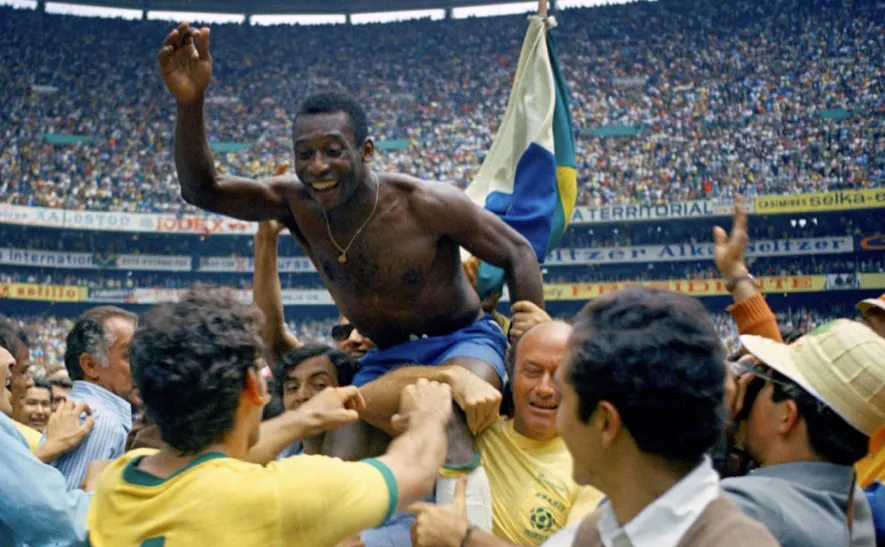
The 1970 FIFA World Cup in Mexico wasn’t just another tournament; it was a seismic event that fundamentally altered the trajectory of football. From the introduction of colored broadcasting to the tactical genius displayed on the pitch, this edition set standards that resonate even today. At Melbet, we delve deep into the historical shifts that define modern sports, and the 1970 World Cup remains a pinnacle of transformation. This article explores the key elements that made Mexico 1970 the tournament that changed the face of global soccer forever, blending expert analysis with the technological and cultural revolutions that surrounded it.
The Dawn of a New Visual Era
One of the most profound changes brought by the 1970 World Cup was the global shift to color television broadcasts. For the first time, millions of fans around the world could experience the vibrant green pitches, the bright yellow of Brazil’s iconic jersey, and the electric atmosphere of the Azteca Stadium in full, living color. This wasn’t merely an aesthetic upgrade; it fundamentally changed how the game was consumed and marketed.
A Stadium Built for Spectacle
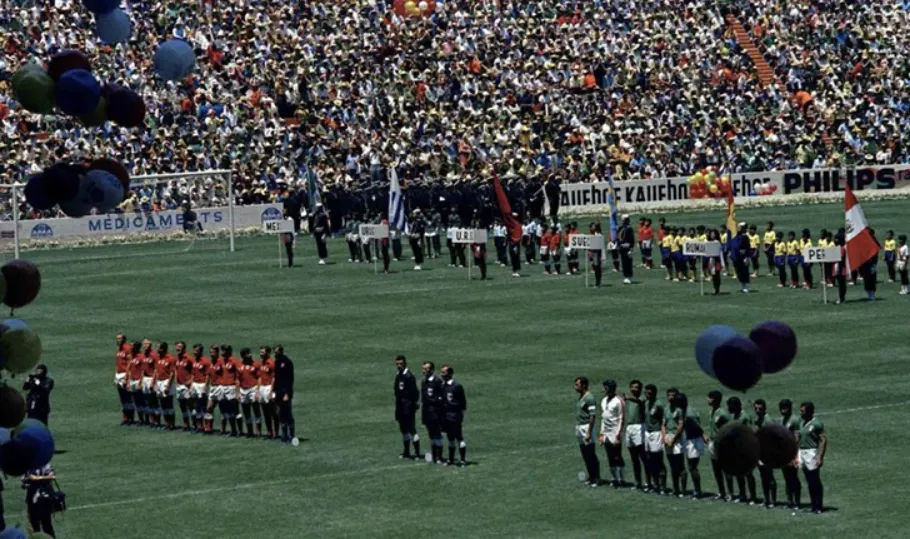
The Estadio Azteca in Mexico City became a symbol of this new era. Completed in 1966, it was a colossus of modern architecture, seating over 100,000 spectators. Its imposing structure and high altitude created a unique challenge for visiting teams, a factor that home supporters and analysts like John Carlin, a renowned sports historian, often highlight. “The Azteca wasn’t just a venue; it was a weapon,” Carlin once noted in a documentary. “The thin air and the roar of the crowd made it a fortress for Mexico and a daunting cauldron for everyone else.”
The stadium’s design also facilitated a more intimate connection between the fans and the players, a concept that modern venues still strive to replicate. The steep stands kept the crowd close to the pitch, amplifying the noise and creating an almost tangible energy. This was a stark contrast to the often drab, gray stadiums of the previous decade, marking a clear visual and emotional upgrade for the sport.
Tactical Genius and the Birth of Total Football
While the visual spectacle was impressive, the football itself underwent a revolutionary transformation. The 1970 tournament is often remembered as the apex of the beautiful game, largely due to the emergence of two distinct but equally brilliant tactical philosophies: Brazil’s free-flowing samba style and the Netherlands’ nascent “Total Football.”
Brazil: The Art of Jogo Bonito
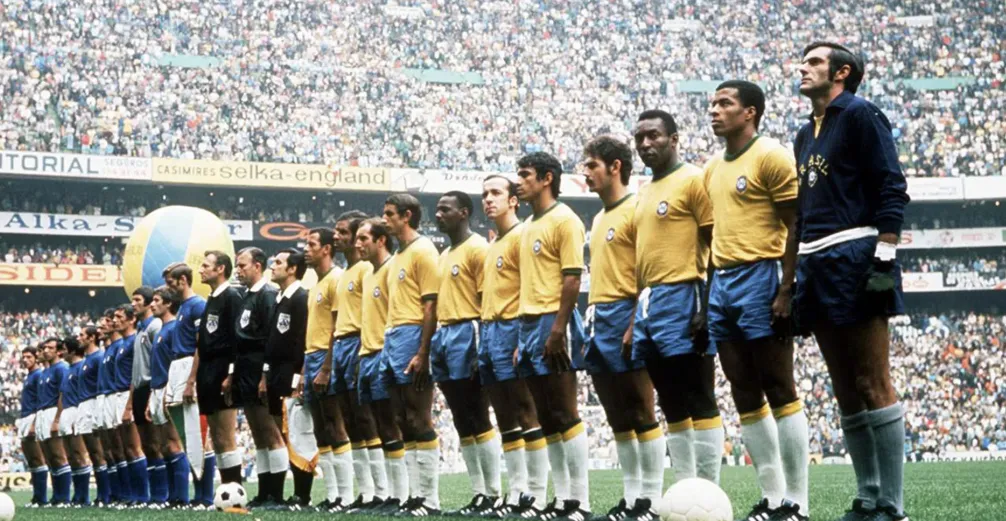
The Brazilian team of 1970 is widely considered the greatest national team ever assembled. Led by the incomparable Pelé, they played with a flair, creativity, and technical mastery that had never been seen before on such a global stage. Players like Jairzinho, Rivelino, and Tostão formed a formidable attacking unit that dismantled defenses with breathtaking ease.
- Jairzinho’s Record:He became the only player to score in every match of a World Cup.
- Pelé’s Dummy:The iconic dummy pass to Jairzinho against Uruguay remains one of the most audacious moments in sporting history.
- The Fifth Goal:The team’s 4-1 victory over Italy in the final was capped by a magnificent fourth goal, a fluid team move that epitomized their collective genius.
This wasn’t just about winning; it was about how they won. Their style became a blueprint for attacking football, proving that technical brilliance and collective intelligence could triumph over brute force. For fans and analysts at Melbet, this tournament remains the gold standard for offensive creativity.
The Seeds of Total Football
Though the Netherlands didn’t win in 1970, the tactical seeds planted by coach Rinus Michels with Ajax were beginning to germinate on the world stage. The Dutch team, though not yet the powerhouse they would become in 1974, showcased elements of positional interchangeability and relentless pressing that would later define “Total Football.” Players like Johan Cruyff, then a young prodigy, were beginning to break conventional positional constraints, drifting into space and creating overloads in unexpected areas. This tactical innovation challenged the rigid 4-4-2 formations that dominated the era, paving the way for a more dynamic and fluid style of play.
The Official Match Ball and Global Branding
Another significant innovation of Mexico 1970 was the introduction of the Telstar, the first official match ball of the World Cup. Designed by Adidas, it featured a revolutionary icosahedron pattern of 20 white panels and 12 black pentagons. This design was not just for aesthetics; it provided better visibility on black-and-white and color television screens.
A New Standard for Equipment
The Telstar’s design became the quintessential image of a soccer ball for decades to come. Before 1970, balls were often plain brown or orange and varied significantly in weight and air retention from match to match. The Telstar standardized these elements, creating a consistent playing experience and marking the beginning of high-profile sponsorship and branding in the sport. Adidas’s partnership with FIFA set a precedent for commercial involvement that has only grown since.
Changing Rules and Player Safety
The 1970 World Cup also saw subtle but crucial changes in officiating and player welfare. The introduction of red and yellow cards for the first time formalized the disciplinary process. Before this, referees relied on verbal warnings or sending players off without a clear visual signal. The colored cards provided clarity for players and spectators alike, reducing confusion and controversies.
Additionally, the tournament saw a greater emphasis on protecting attacking players. While tackling was still fierce, referees began to call fouls more consistently for dangerous challenges from behind. This shift, though gradual, helped to protect the creative talents like Pelé, who had been brutally targeted in the 1966 World Cup. “Pelé was kicked out of the 1966 tournament,” recalls Dr. Elena Rossi, a sports historian from the University of Rome. “The 1970 hosts and organizers made a conscious effort to ensure that the stars of the show were allowed to shine without being physically intimidated.”
The Legacy for Modern Football
The innovations of the 1970 World Cup in Mexico created a template for future tournaments. The combination of stunning visuals, tactical sophistication, global branding, and improved player safety set a new benchmark.
| Aspect | Pre-1970 | Post-1970 |
| Broadcasting | Mostly black-and-white, limited global reach | Color television, massive global audiences |
| Tactics | Rigid formations, defensive focus | Fluid attacking play, positional interchange |
| Ball | Unstandardized, varying quality | Standardized Telstar, improved visibility |
| Discipline | Verbal warnings, subjective refereeing | Red & yellow cards, consistent enforcement |
| Player Safety | Minimal protection, frequent rough play | Better enforcement against dangerous tackles |
From the vibrant kit designs to the rise of the modern attacking midfielder, the echoes of Mexico 1970 are still heard in every top-level match today. The tournament proved that football could be both a global spectacle and an art form.
Conclusion
How the 1970 World Cup in Mexico Reshaped Global Soccer for Good is not just a historical footnote; it is a living legacy. The tournament was a crucible of innovation that fused technology, tactics, and raw passion in a way that had never been seen before. The introduction of color broadcasting, the tactical brilliance of Brazil and the early seeds of Total Football, the standardization of equipment, and the formalization of disciplinary rules all contributed to a quantum leap forward for the sport.
At Melbet, we believe that understanding these pivotal moments is key to appreciating the rich tapestry of sports history. The 1970 World Cup was more than a competition; it was a revolution that set the stage for the global phenomenon we know and love today. We encourage you to share your own memories of that iconic tournament or to explore more in-depth analyses of football’s greatest eras. What do you think was the single most important change from that tournament? Leave a comment below and join the conversation!
