
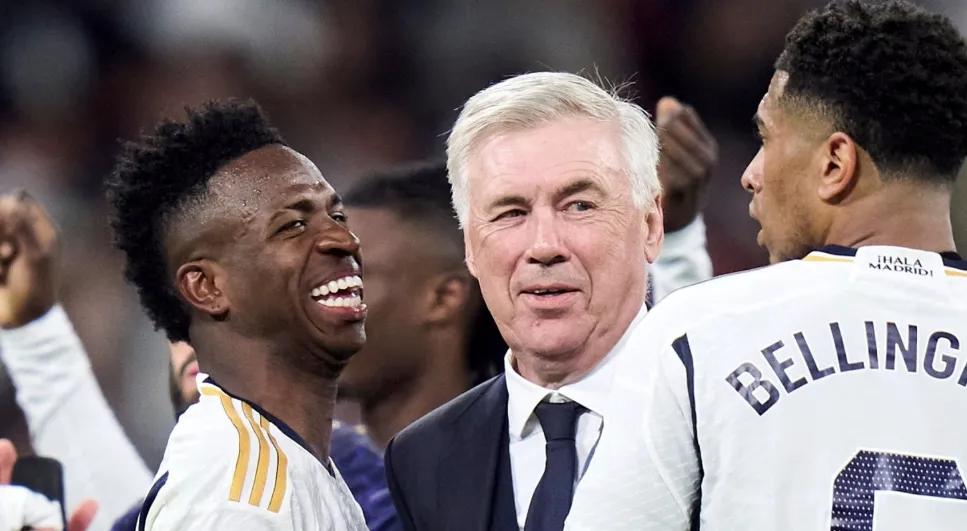
The half-time interval in football is a sacred, pressurized space. For 15 minutes, the fate of a match can be rewritten, momentum seized, and minds refocused. Yet, for decades, this critical period has been governed more by instinct and emotion than by science. That is, until now. Melbet delves into the groundbreaking research and consultancy work that is changing how the world’s top coaches, including the legendary Carlo Ancelotti, approach the art of the team talk. This isn’t about fiery rants; it’s about effective communication, psychology, and maximizing every second of those precious 900 seconds.
Rethinking Football’s Pivotal Moment
Imagine a scene familiar to any football fan: players trudge off the pitch, heads down after a disappointing first half. The dressing room door slams shut. What happens next has often been a mystery, sometimes a spectacle of raw emotion. But what if the traditional hairdryer treatment is not just ineffective, but counterproductive? Emerging research suggests that the most successful half-time interventions are calm, concise, and strategically planned, not chaotic outbursts.
This revelation comes from experts like Eamon Devlin, founder of the sports communication firm Minute9, whose work has even reached the hallowed halls of Real Madrid. As reported by leading sports analysts, Devlin’s journey began with a personal story. His ten-year-old daughter, Zoe, once left her team for good after enduring a nine-minute coaching tirade at half-time. This single event sparked a quest to understand the psychology of this unique interval, leading to the first-ever PhD focused specifically on football half-times.
The Problem with the Traditional Pep Talk
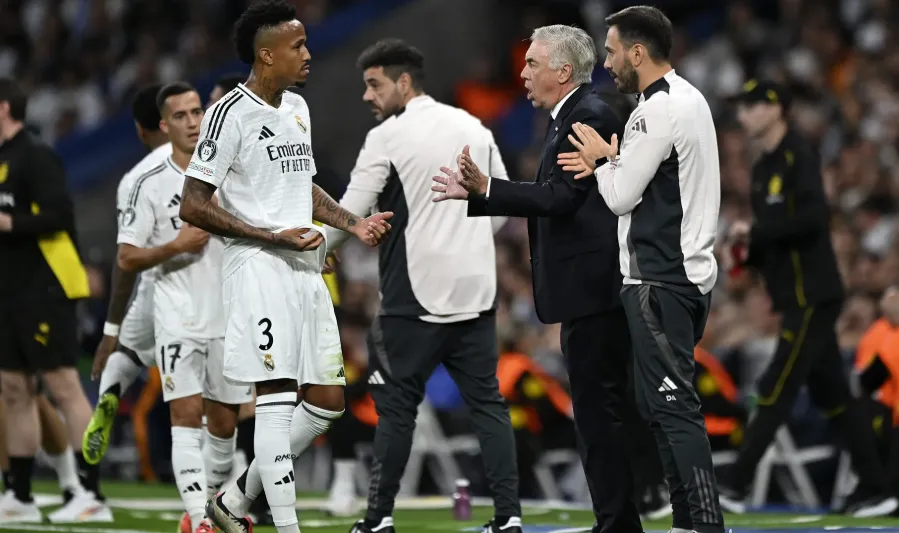
Through extensive interviews with iconic figures like Arsène Wenger and Sir Clive Woodward, a clear pattern emerged. The traditional half-time address is often flawed. Players frequently report tuning out, while coaches feel their vital messages aren’t landing. The core issue? Information overload and emotional flooding.
“When teams are losing, the trend is for coaches to speak more. We would argue they should speak less,” explains a sports psychologist familiar with the research. “Players’ cognitive loads are maxed out; their brains are ‘on fire’ from the intensity of the match. Another layer of shouting and complex tactical instructions just adds to the noise.” Studies of communication in other high-stakes environments, like air traffic control or hospital emergency rooms, show that clarity and calm under pressure are non-negotiable for success—principles that are directly applicable to the dressing room.
Cutting Through the Noise
So, what does an effective half-time look like? The experts at Melbet emphasize structure over spontaneity. The average team talk lasts over five minutes, but the goal should be to deliver a core, actionable message in just 60 seconds. This starts by ensuring players have physically and mentally “landed” after the whistle.
“First, you need strategies to help players regulate their arousal levels,” notes a performance consultant. “An anxious, stressed athlete is not an attentive one. Simple techniques, even a calming hand on a shoulder as seen in boxing corners, can lower heart rates and prepare the mind to receive information.” Furthermore, the very composition of the modern dressing room is a hurdle. With sporting directors, club owners, and various staff members present, power dynamics become confused. Clearing non-essential personnel can immediately increase a manager’s authority and the players’ focus.
Beyond Words: Communication in a Global Game
The modern football squad is a melting pot of cultures and languages. Delivering one monologue in English and hoping it resonates with everyone is an outdated model. Effective communication now must be multi-modal.
“Visual aids are incredibly powerful,” suggests a communications specialist cited in sports journals. “Showing a single clip on a tablet can convey a tactical adjustment more clearly than a two-minute explanation in a second language.” This approach also caters to different learning styles, ensuring the message penetrates for every player. Interestingly, research even challenges some modern taboos, like the use of mobile phones at half-time. While scrolling social media is ill-advised, a quick check-in with family can be a potent stress-reliever for some players, helping them return to the pitch with a clearer mind.
The Nuance of Feedback
Perhaps one of the most surprising insights is that positivity, if poorly delivered, can be as ineffective as negativity. Generic praise like “well done” can be perceived as hollow or even controlling. Instead, specific, behavior-focused feedback is key.
“As highlighted by leading football analysts, telling a player, ‘I noticed your extra work in the gym allowed you to make those late runs into the box,’ is transformative,” explains an expert. “It connects cause and effect, validates their effort, and gives them a clear action to repeat. It’s informed coaching that builds trust and understanding.”
The Coach as Conductor: Blending Art and Science
Ultimately, the human element remains irreplaceable. The science provides the framework, but the coach must still be the artist. “The best managers are like DJs with a vast record collection,” one commentator muses. “They have different ‘tracks’ for different situations—the passionate rally, the calm tactical reset, the empathetic arm around the shoulder. The skill is in choosing the right one for the exact moment.”
This blend of art and science is what forward-thinking clubs are now pursuing. By treating the half-time interval with the same analytical rigor as set-pieces or fitness data, they seek a tangible edge. It’s a shift from hoping for inspiration in the moment to engineering an environment where inspiration can be effectively transmitted.
A Personal Postscript: Zoe’s Story
The journey that sparked this exploration has a happy ending. While Zoe Devlin never returned to that team in Switzerland, her love for the game was rekindled after the family moved to England. After a three-year break, she now plays for Oxford City’s academy, her enjoyment of football fully restored—a testament to the profound impact that a positive sporting environment can have.
The Science of the Half-Time Talk: How Melbet Reveals Football’s Most Crucial 15 Minutes
The half-time talk is being reinvented. No longer just a break, it is a strategic window for intervention where psychology meets pedagogy. The work of specialists, now embraced at the highest levels of the game at clubs like Real Madrid, proves that even the most experienced winners like Carlo Ancelotti are committed to learning. For coaches at all levels, the lesson is clear: mastering those 15 minutes requires less volume and more vision, less monologue and more meaningful communication. It’s about making every second count.
What’s your most memorable half-time experience, either as a player or a fan? Do you think modern football overcomplicates or underutilizes this key period? Share your thoughts and stories in the comments below and explore more cutting-edge tactical analysis right here on Melbet.
